Showing posts with label Tennesee. Show all posts

Monday, November 13, 2006

Crater of Diamonds State Park

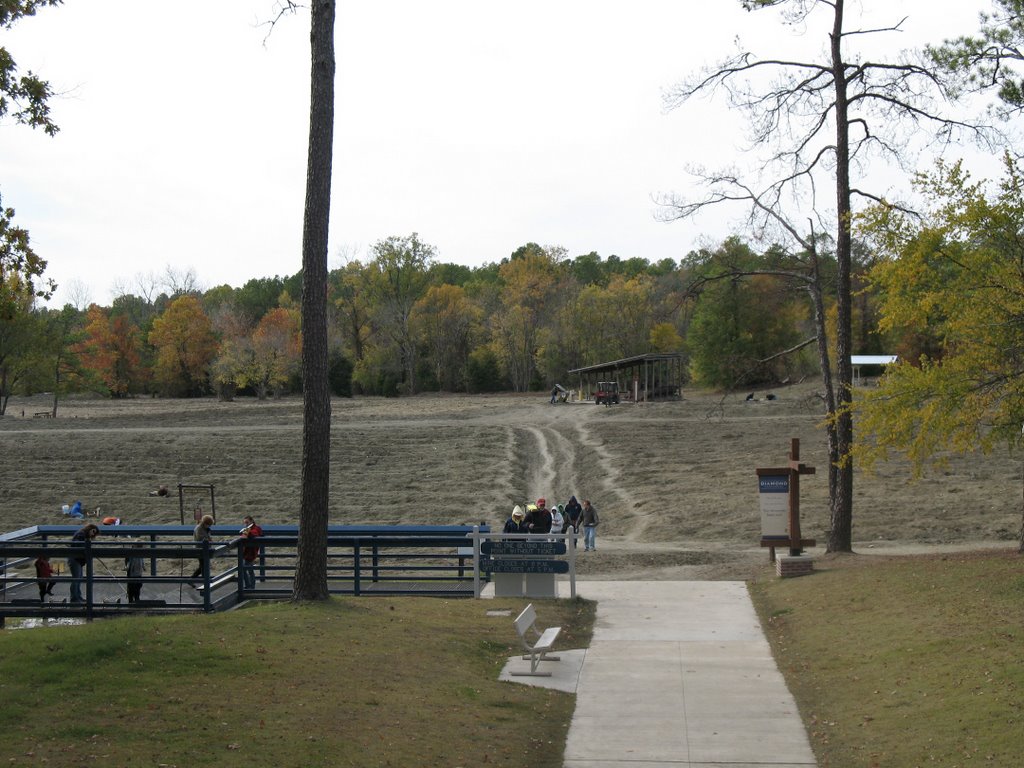
Crater of Diamonds State Park in Murfeesboro, Arkansas is the only diamond mine where the public can dig for diamonds and keep any they find. The mine resembles an inverted funnel from the surface down into the earth. Sifting through a 37-acre plowed field reveals diamonds that were brought to the surface of the earth by volcanic uplift.


Over 500 diamonds on average are found each year by park visitors. So we stayed at the campground for three nights so we could try our luck for a couple of days. Here's Ed ready to start digging...
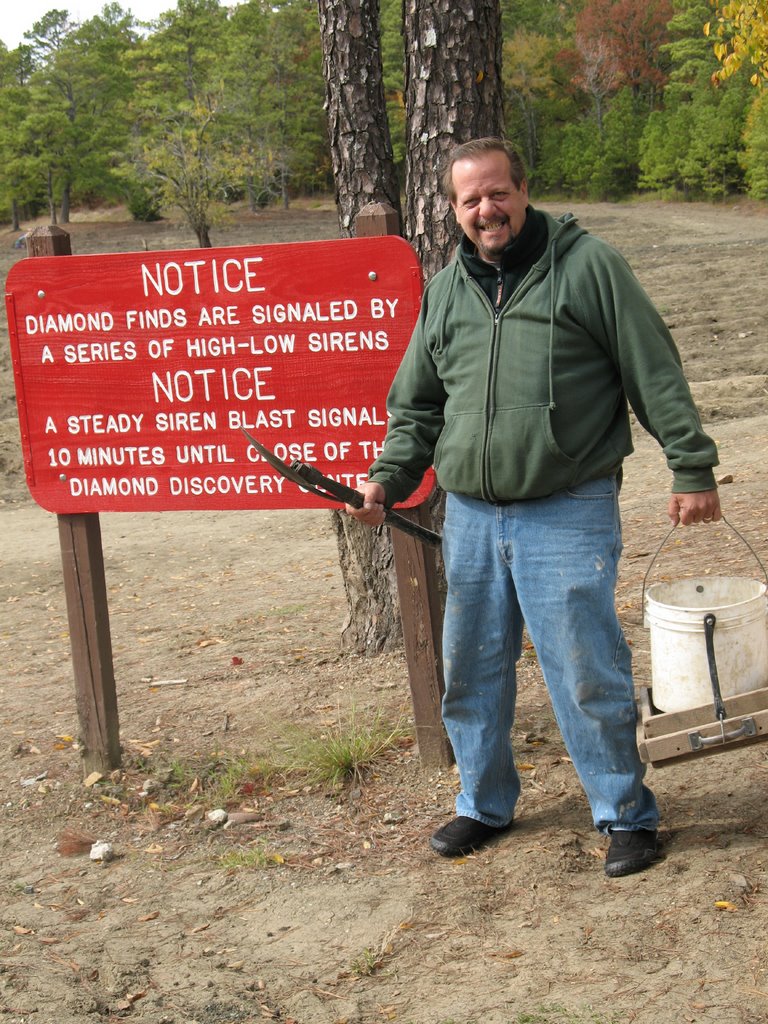
The sluicing method invoves washing shovel-fulls of dirt through a coarse screen, then a finer screen.


Diamonds are relatively heavy. They fall to the bottom of the screen with the gravel as the dirt is washed away. So the next step is to turn the screen over like flipping a pancake. Then, search through the remains for metal-like reflective chunks. A magnifying glass helps.
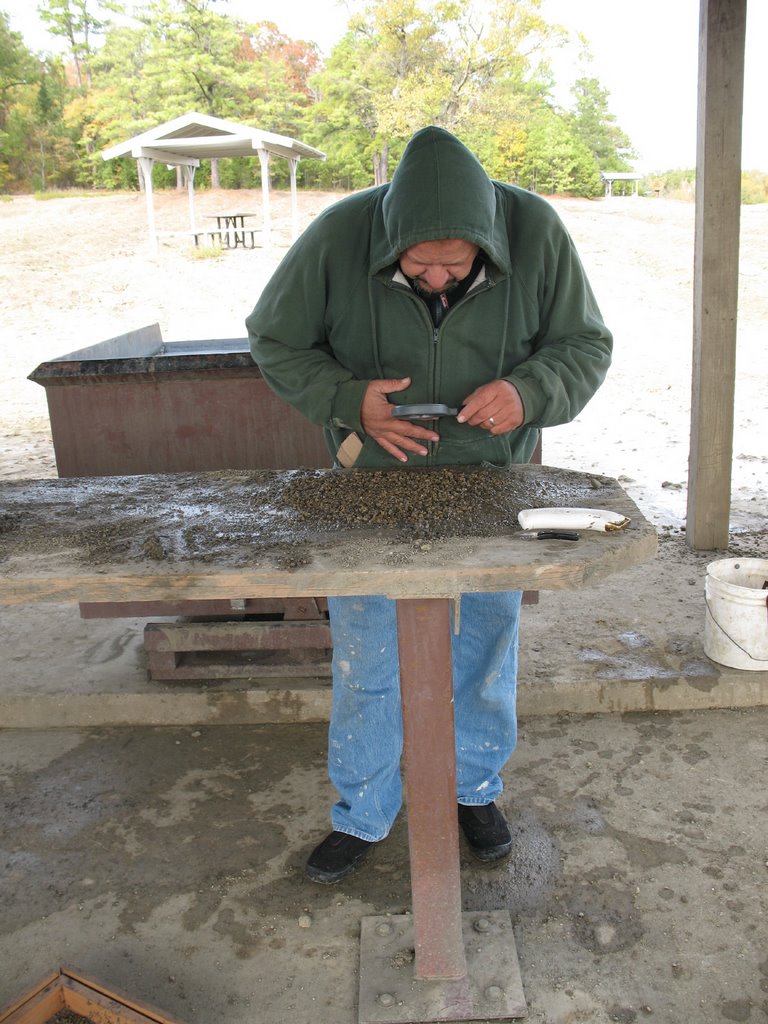

If the sun is shining, another method is to examine the surface of the earth carefully. It's less arduous, but the sluicing method processes a greater quantity of dirt much more quickly.
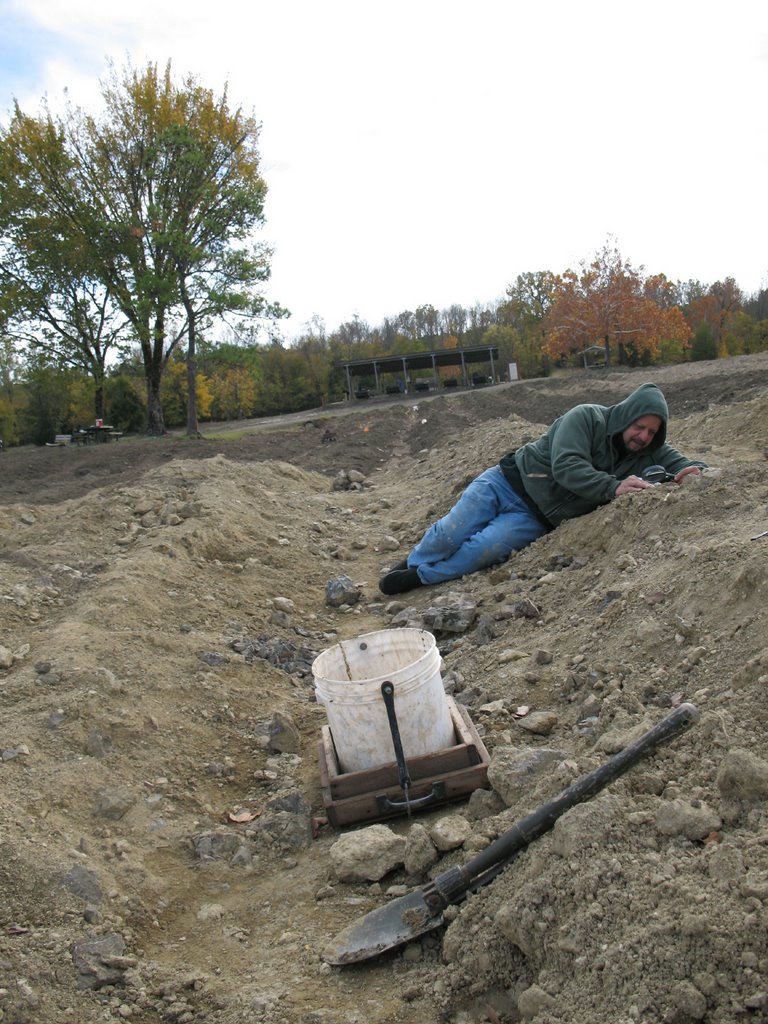


I knew before I got there that the idea of digging for diamonds was better than the actual work of digging through the dirt. But hey, you never know! Here's our diamond we found!
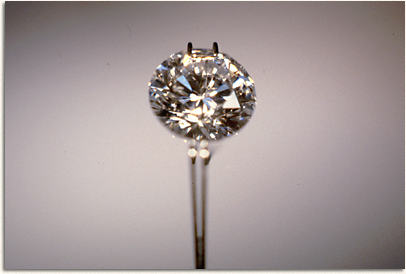


OK, not really. But this flawless diamond WAS found here. From the park web site, http://www.arkansasstateparks.com/craterofdiamonds here's the lowdown on it.

"The 1.09-carat “Strawn-Wagner Diamond” (3.03 carats in the rough before its cutting in 1997 by Lazare Kaplan International of New York) was found by park visitor Shirley Strawn at the Crater of Diamonds State Park in 1990. This D-flawless gem, a stone that nature formed and then man transformed to the cut and faceted diamond you see today, is the highest grade a diamond can achieve. A diamond this perfect is so rare, most gemologists and jewelers never see one. This diamond from the park is on permanent display in the Crater of Diamonds visitor center."

Although we didn't find a diamond, we learned a lot about the process. Most diamonds found here are worth between $10.00 and $100.00. People next to us found a crescent shaped 6-pt. brown diamond. I have no idea what it was worth, probably not much, but we were happy for them.


Sunday, November 12, 2006

The Blues City; Memphis, Tennessee

Memphis is to the blues what Nashville is to country music. Memphis, named for the ancient Egyptian city, historically thrived as a major port on the Mississippi River, particularly for shipment of cotton. But Memphis bills itself as the "home of the blues and the birthplace of rock 'n' roll." It was the home of Elvis Presley, and Graceland still draws throngs of tourists. Because we visited Graceland a year and a half ago, and I wrote about it extensively, we skipped it this trip. Instead, we took a bus tour that included Beale St., the Victorian Village, St. Jude's Children's Hospital founded by Danny Thomas, and the Lorraine Motel, where Dr. Martin Luther King, Jr. was assassinated.

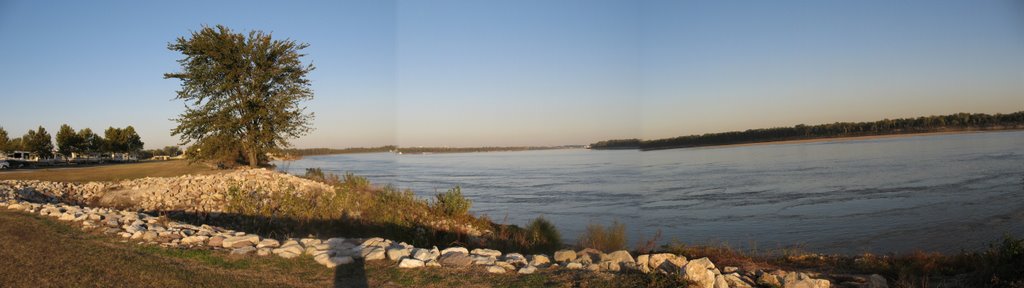
Our base of operations was the Tom Sawyer RV Park, located across the river in West Memphis, Arkansas. Their slogan is "We're so close to the river, sometimes we're in it!" Every spring, the campground floods and parts of it are closed. At this time of the year, however, the river level was many feet below us. We enjoyed watching the enormous barges float by, being pushed or pulled by tug boats. Here is a view from the camp on the river bank, just steps from our RV.


I took this photo using the "stitch" program on our new Canon digital camera, so it's three photos taken horizontally. It's not lined up perfectly, guess I need a bit of practice with it.

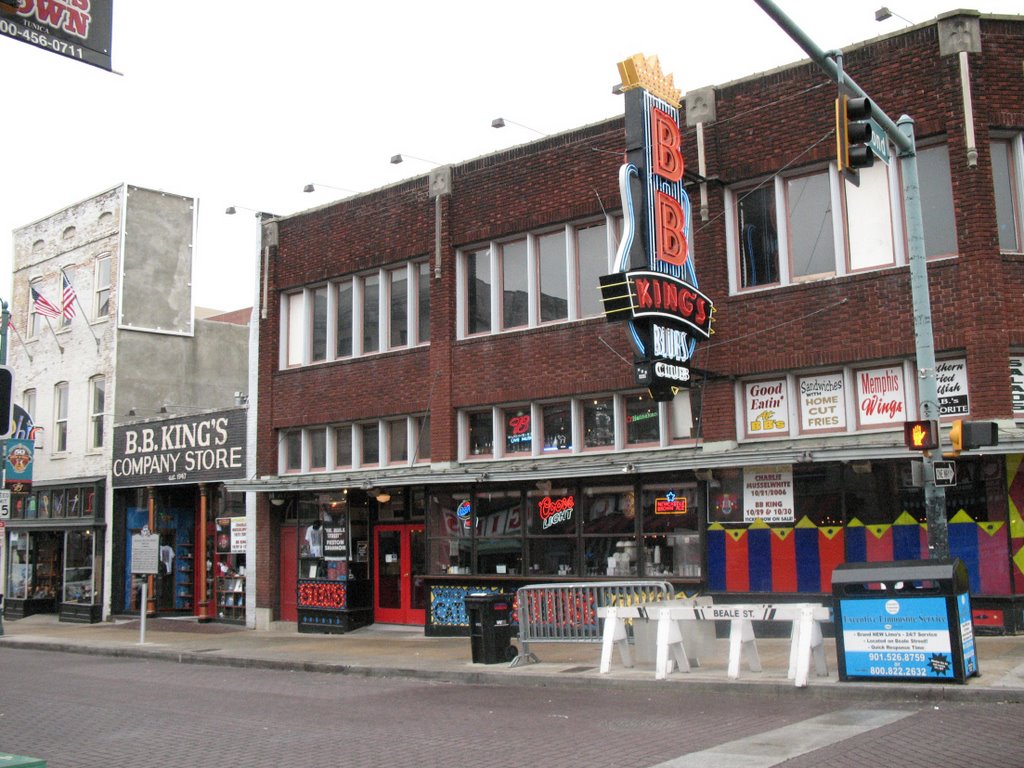
For our guided tour, we drove back across the river to downtown. The homes of the wealthy, including actress Cybill Shepherd, are perched high on a bluff overlooking the river. A few blocks away, Beale St. is the attraction for music lovers - lined with clubs, restaurants and stores.

One of the most famous blues musician, the legendary B. B. King, has his own club and adjacent retail store, and you can hear him play a couple of evenings a month.


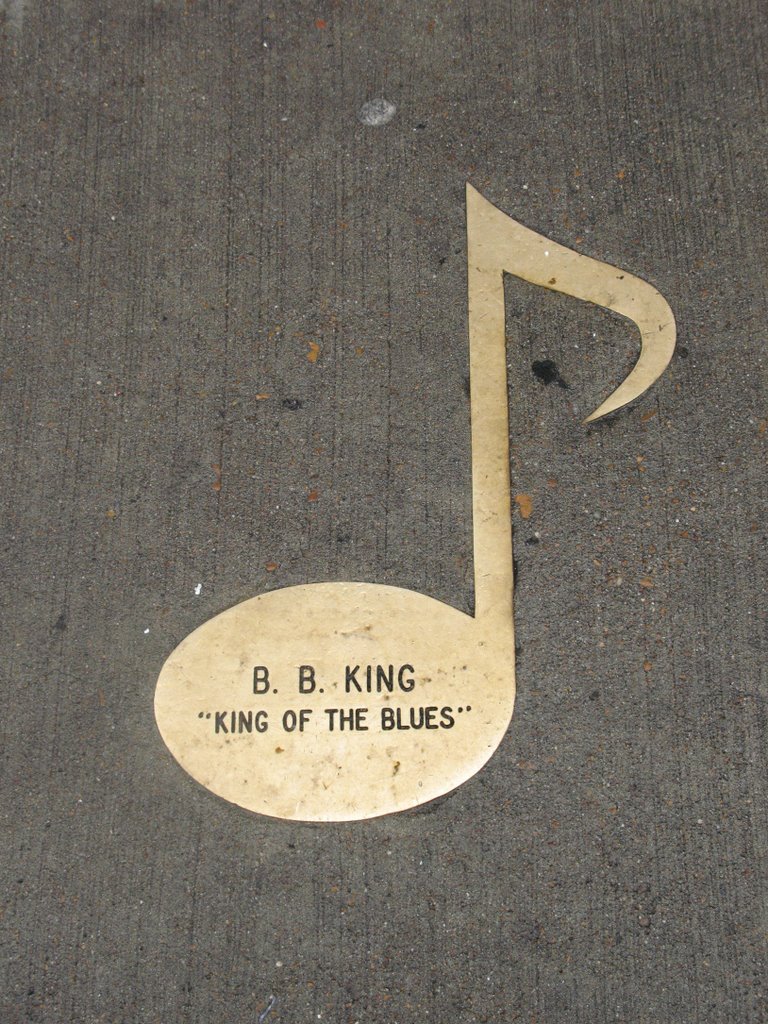
He also has a brass musical note embedded in the sidewalk, as do Eric Clapton, the Staples Singers ("I'll Take You There" from the 70's), and many others. It's Memphis' answer to the stars on the Hollywood Walk of Fame.


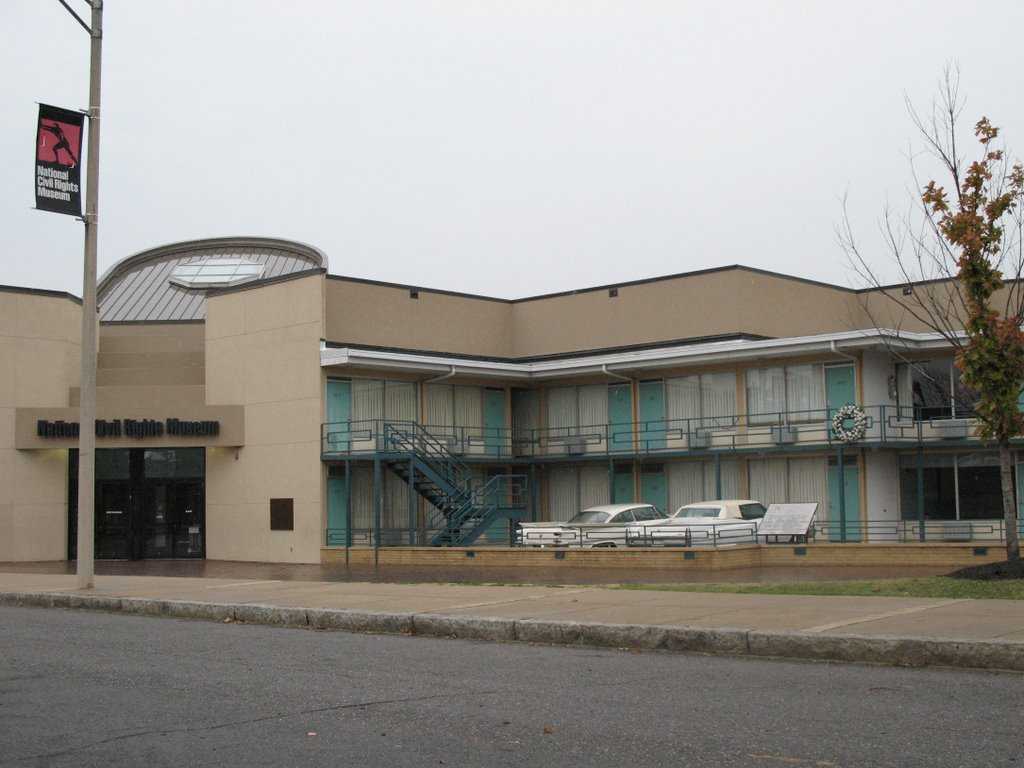
Turning off Beale St. onto Main St., traveling for a number of blocks, our bus took us to the site of MLK's assassination. The Lorraine Motel has been preserved exactly as it was in the sixties.


The site where Dr. King was standing, on the second floor balcony, is marked by a white wreath. Two white limos, including his, remain parked where they were on that day.


The Lorraine Motel now houses the National Civil Rights Museum - the perfect tribute to honor a great man.


Saturday, October 28, 2006

Natchez Trace State Park, Lexington, Tennesee

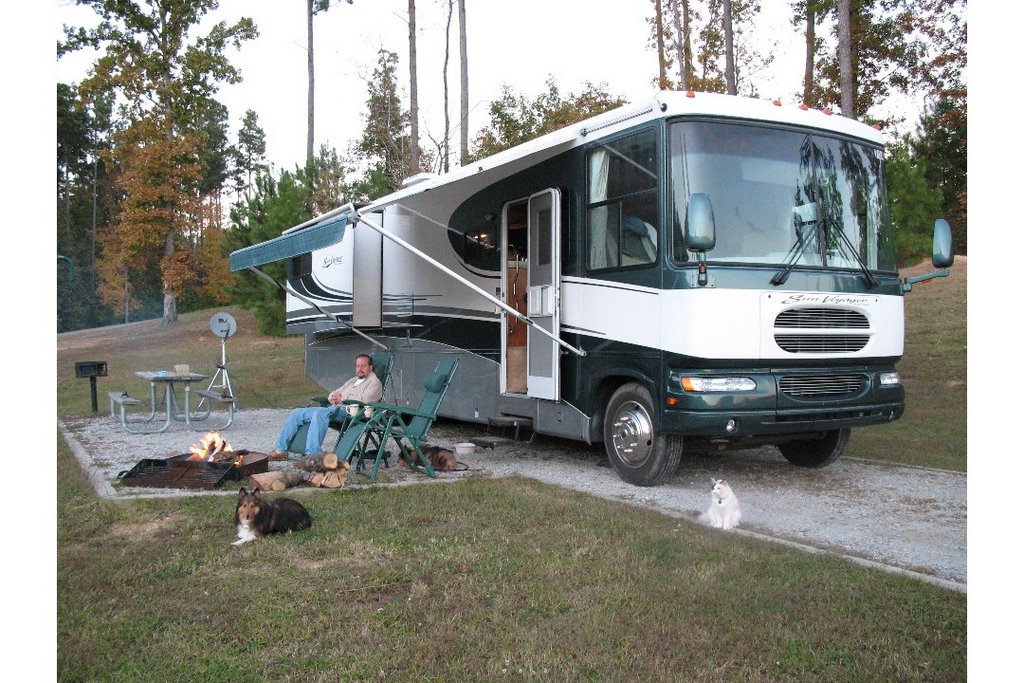
We highly recommend Natchez Trace State Park (especially for RVers) located off I-40 in western TN, halfway between Nashville and Memphis. It's a state park with full hook-ups, open, spacious sites (good for satellite TV reception), on a lake with fishing, close to a town with a Super WalMart, all for $17.50 a night. Here's Ed relaxing by the campfire with Duncan, Roxie, and Bonnie.


...and the view from our site.


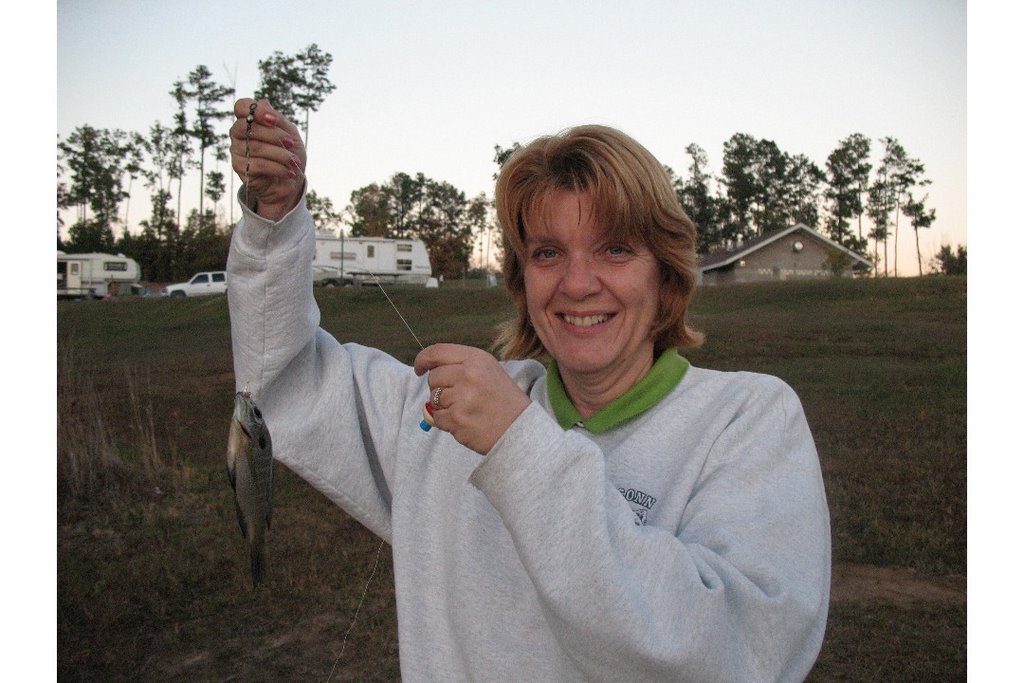
I'd never so much as held a fishing pole in my whole life, but Ed taught me to cast and I caught my first fish, a little blue gill. But I didn't bait the hook and I made Ed take him off the hook and throw him back. Some fisherwoman, huh?


I'd heard of kudzu, the "mile-a-minute vine", but I'd never seen it before. This vine was imported from Asia and planted to control soil erosion. It clings to trees and cuts off oxygen, eventually killing it's host. Kudzu can actually grow about 10 feet in 24 hours. Unfortunately, it has no natural enemies and is fire and pesticide resistant. Kudzu is probably here to stay in the south.

Wednesday, October 25, 2006

The Hermitage; Nashville, Tennessee

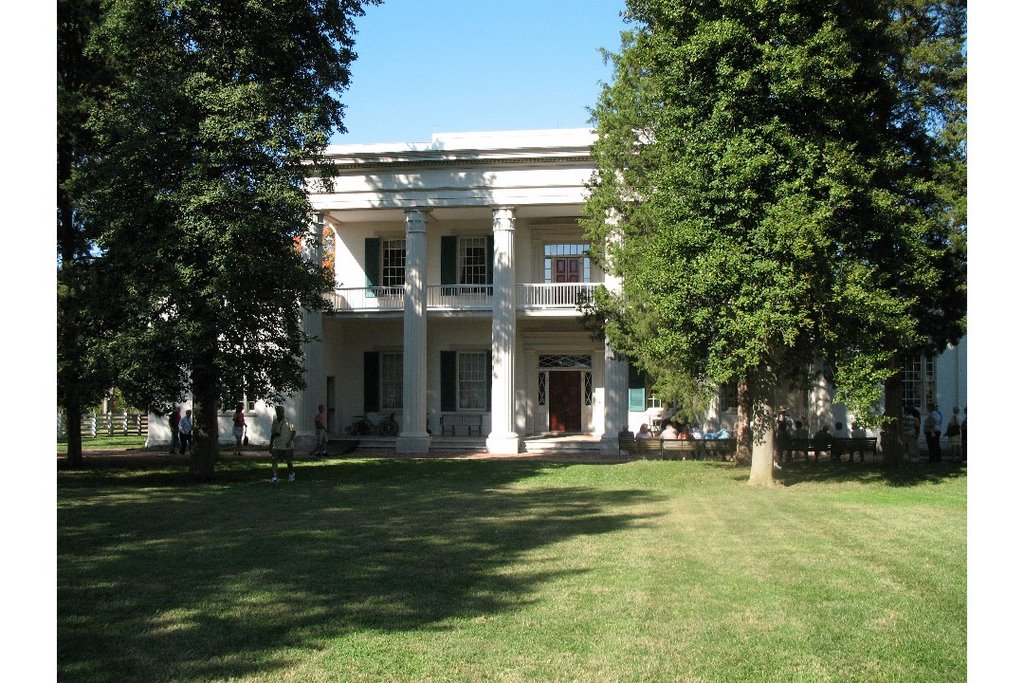
Nashville, Tennessee is not just the home of country music. It was also the home of the 7th President of the United States, Andrew Jackson. Yes, his is the face on our $20.00 bill! But until I visited "The Hermitage", I knew nothing about this extraordinary man.


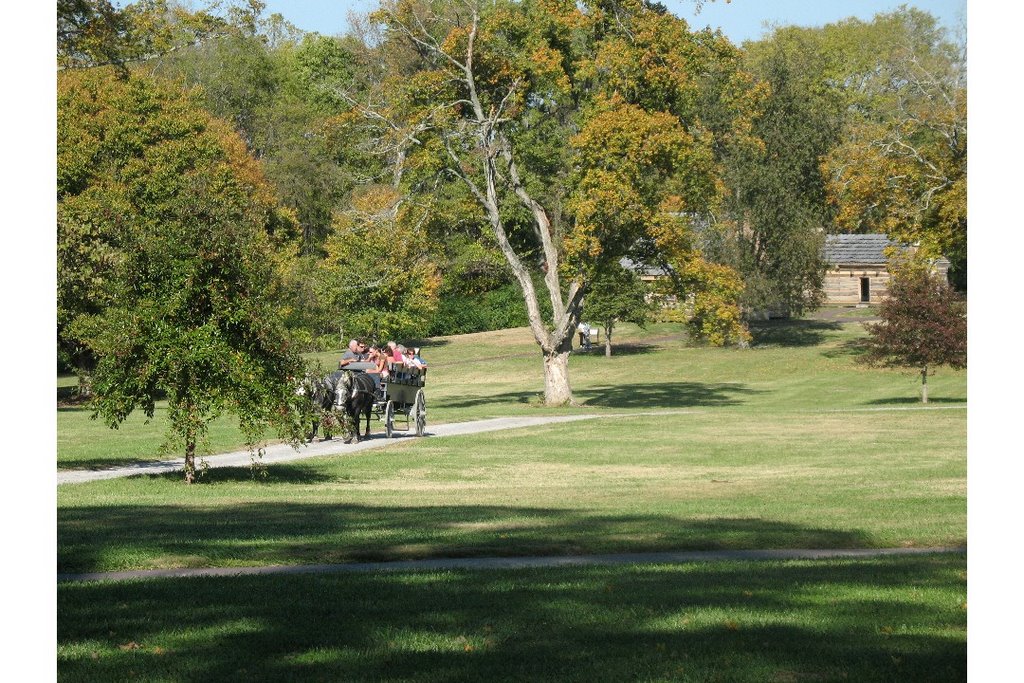
His story proves the old saying that anyone born in the US can grow up to be President. Orphaned at age 14, Andrew Jackson somehow got himself educated and moved to Tennessee from North Carolina. Despite nearly becoming bankrupt at one point, eventually he became a successful owner of a cotton plantation. He married and never had any biological children. He did adopt a nephew and an orphaned Indian boy. When the War of 1812 broke out, Jackson joined the Tennessee militia. Despite no formal military training, he rose through the ranks and became a general. His successful defeat of British forces at New Orleans began his rise to prominence in Tennessee politics, culminating in the presidency of the US. Sadly, his wife died of tuberculosis just three weeks before he took office in Washington DC. When his term was completed, he retired to the Hermitage and lived there for the rest of his life. The house has been meticulously restored to the way it looked in 1837. Most of the wallpapers and furnishings are original. No interior photos are allowed. The grounds are extensive and can be toured by wagon with a costumed interpreter for a small fee.


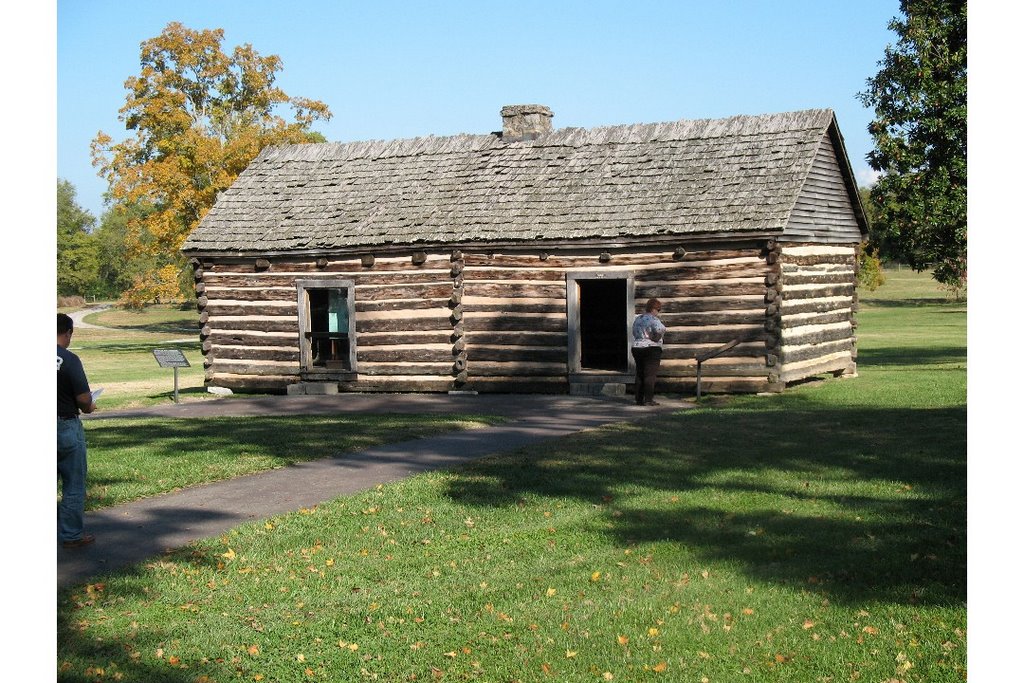
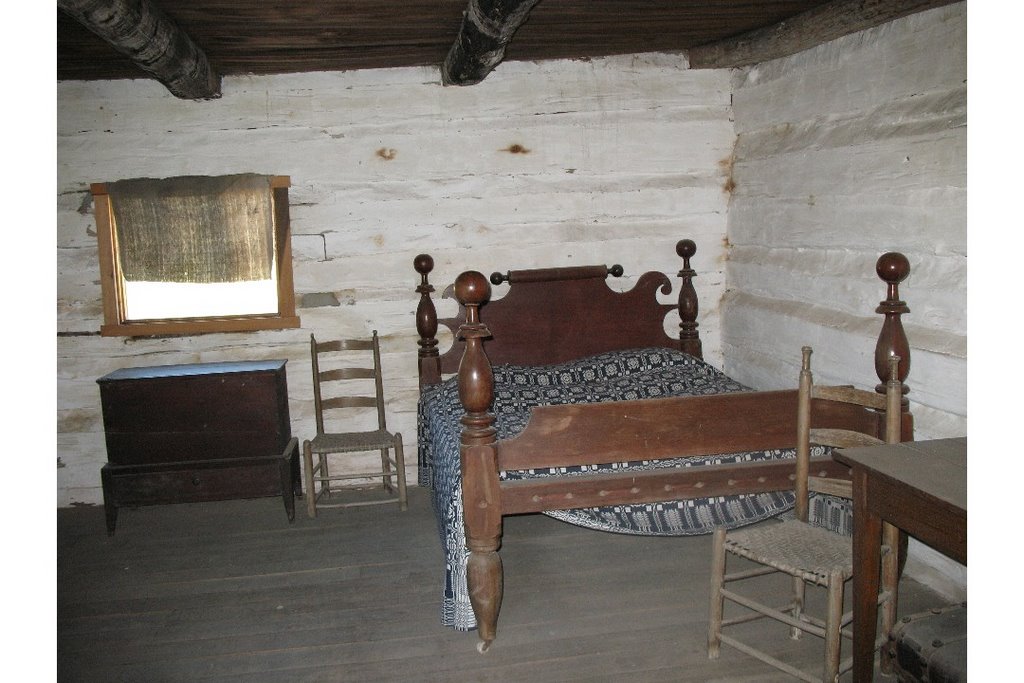
The Hermitage exhibition is committed to also telling the stories of the African-American slaves, without whom the plantation could not have been successful. The slave cabins are on display. Typically, a family with 10-12 children might share one room, with additional sleeping quarters in the loft. Here are photos of the outside of a "duplex" and interior photos of one side.


President Jackson visited the grave of his wife every evening at sunset. The tomb is set amidst the formal gardens, which his wife had enjoyed tending so much. It must be beautiful in the summer.
I have been to Mt. Vernon, home of George Washington. Ed & I visited Monticello, Thomas Jefferson's home, a few years ago. There must be other president's homes I can add to my list. I wonder if there's a possible travel article in there somewhere that would appeal to RVers as a road trip. Have to give that some thought. Anyone have an idea?